

The Central Bank of Nigeria (CBN) has taken a significant step to address the issue of loan defaulters in the country. In a bid to promote a sound financial system, protect depositors, and enhance prudential compliance within the banking sector, the CBN has directed commercial banks to restrict access to credit facilities for large-ticket obligors who are in default. This means that affected borrowers will be denied new loans, bankers’ confirmations, letters of credit, performance bonds, and advance payment guarantees.
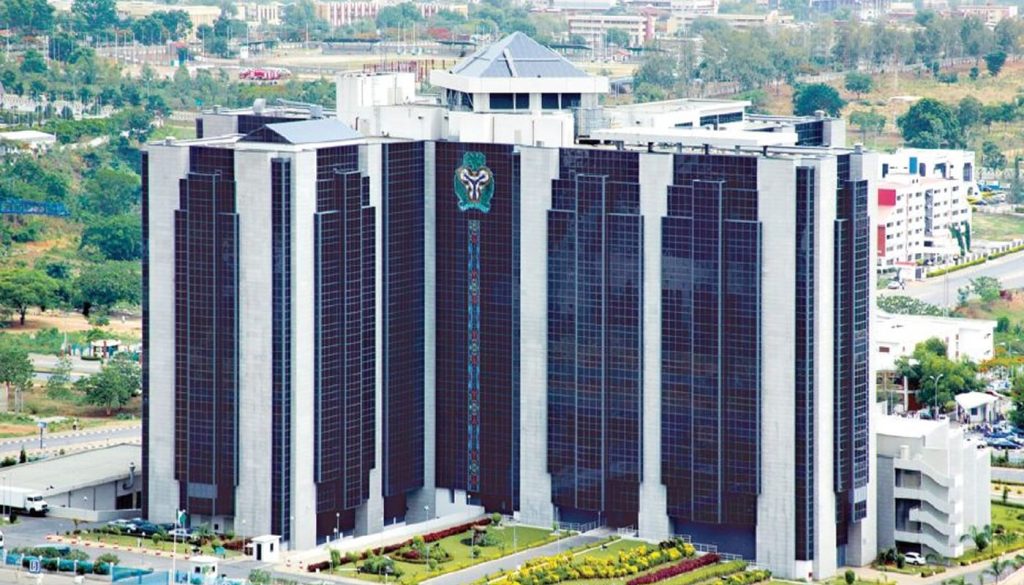
The CBN’s directive also requires banks to obtain additional realisable collateral from defaulters to secure existing exposures. This move is expected to help reduce the risk of non-performing loans and promote a culture of credit discipline among borrowers. The directive targets borrowers with non-performing loans recorded in the Credit Risk Management System (CRMS) or licensed private credit bureaus.
The CBN has also warned that it will monitor compliance with this directive, and institutions that fail to comply will face sanctions under the Banks and Other Financial Institutions Act (BOFIA) 2020. This move is seen as a major step towards improving the overall health of the banking sector and promoting a more stable financial system in Nigeria.
The impact of this directive is expected to be significant, as it will not only affect large-ticket obligors but also other borrowers who may be considering defaulting on their loans. It remains to be seen how this move will affect the overall credit landscape in Nigeria, but it is clear that the CBN is taking a tough stance on loan defaulters.






Leave a Reply